

 Accused war criminal Ben Roberts-Smith is spotted on the Gold Coast after being granted bail in a Sydney court - as his support network assembles
  Airline Bankrupted by Trump’s Soaring Fuel Prices Pleads for Bailout
  Rep. Sam Liccardo Probes Suspicious Oil, S&P Futures Trades Ahead Of Trump's Iran War Update: 'Timing Ind
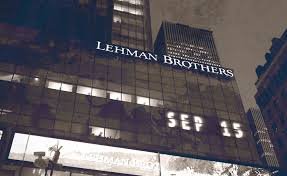
Lehman Brothers Crash (2008): The Financial Collapse That Shook the World
September 2008 • Financial Crisis
The collapse of Lehman Brothers in September 2008 marked one of the most significant moments in modern financial history. It was not just the failure of a single investment bank, but a turning point that triggered a global financial crisis, shaking markets, destroying wealth, and pushing economies into recession.
Lehman Brothers, once a major global financial institution, filed for bankruptcy after failing to manage its exposure to risky mortgage-backed securities. When the US housing market began to decline, these assets lost value rapidly, causing massive losses. As confidence disappeared, investors and institutions stopped trusting each other, leading to a complete breakdown in the financial system.
The Lehman collapse proved that a single institutional failure can trigger a global financial domino effect.
The panic spread quickly. Credit markets froze, banks stopped lending, and companies struggled to access funding. Stock markets crashed worldwide, and millions of jobs were lost as businesses shut down or scaled back operations. What started as a housing crisis turned into a full-scale global recession.
Why Lehman Brothers Collapsed
The main reason behind Lehman’s collapse was excessive risk-taking combined with weak regulation. The bank had invested heavily in subprime mortgage assets, believing housing prices would continue rising. When the market turned, the value of these assets collapsed, leaving Lehman with huge losses and no liquidity.
- High exposure to subprime mortgage securities
- Over-leveraging and excessive borrowing
- Lack of liquidity during crisis period
- Loss of investor and market confidence
- Failure to secure government bailout
Unlike other institutions, Lehman was not rescued. Its bankruptcy sent shockwaves through the financial system and triggered panic across global markets.
Impact on Fiat Currency
During the crisis, investors rushed toward safe and liquid currencies, especially the US dollar. This increased demand strengthened the dollar, while many other currencies weakened. Financial instability caused capital outflows from emerging markets, putting additional pressure on their economies.
Central banks responded aggressively by cutting interest rates and injecting liquidity into the system. Governments also introduced bailout packages to stabilize financial institutions and restore confidence.
Impact on Gold
Gold played a crucial role during the 2008 financial crisis as a safe-haven asset. Although it experienced short-term fluctuations, investors increasingly turned to gold to protect their wealth from financial instability and banking risks.
In the years following the crisis, gold prices surged significantly as uncertainty remained high and central banks continued expansionary monetary policies.
Impact on Oil Prices
Oil prices were severely affected due to the global economic slowdown. As businesses reduced production and consumers cut spending, demand for energy dropped sharply. This caused oil prices to fall dramatically after reaching highs earlier in 2008.
The Lehman crisis demonstrated how closely oil prices are linked to economic activity. When economies slow down, demand for energy decreases, leading to falling prices.
Global Economic Consequences
The effects of the Lehman Brothers collapse were felt worldwide. Major economies entered recession, unemployment increased, and governments faced rising debt levels due to stimulus measures. Financial regulations were tightened, and banking systems were restructured to prevent future crises.
This crisis also changed how investors view risk. It highlighted the importance of diversification, liquidity management, and understanding systemic risk within financial markets.
Key Lessons from the 2008 Crisis
- Excessive leverage can destroy financial institutions
- Confidence is critical in financial markets
- Gold acts as a strong hedge during crises
- Oil prices fall during economic slowdowns
- Government intervention is often necessary
- Financial systems are globally interconnected
The Lehman Brothers crash remains a defining event in financial history. It serves as a reminder that markets are driven not only by numbers but also by trust, confidence, and risk perception. Understanding this crisis helps investors better prepare for future economic shocks.